
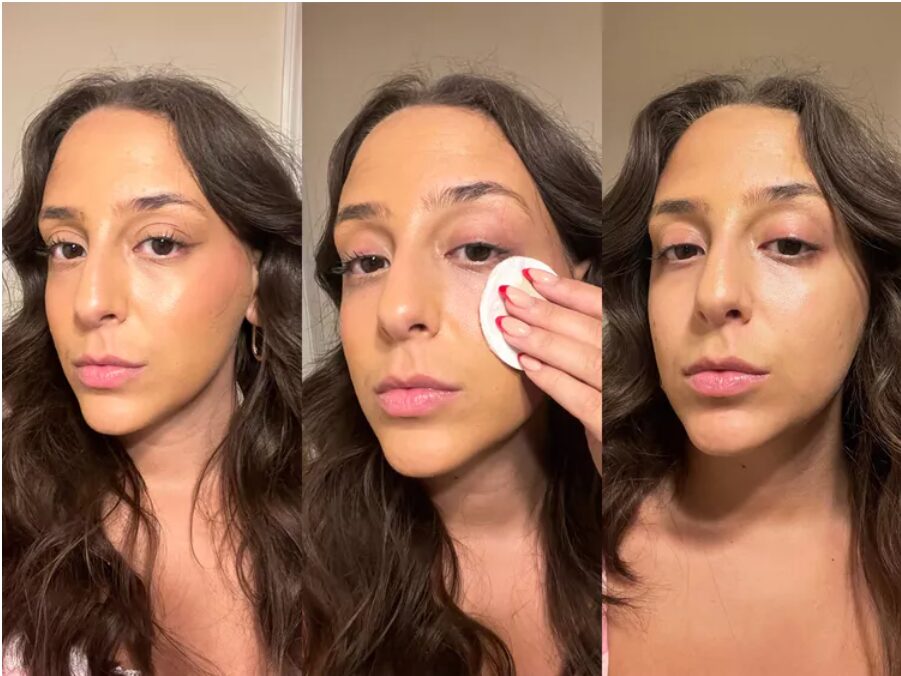
When layers of mascara, eyeliner, and glitter eyeshadow are applied, the real challenge isn’t application technique, but how to remove them gracefully. A suitable eye makeup remover should be both clean and effective, without sacrificing the delicate skin around the eyes and lashes.
Why Does the Eye Area Need a Dedicated Makeup Remover?
The skin around the eyes is thinner, drier, and more sensitive than other areas of the face, making it more vulnerable to surfactants, oils, and fragrances in makeup removers. Add to that the complex factors of the lash line, mucous membrane, and contact lenses, and general-purpose facial makeup removers are often neither gentle nor precise enough.
- Eye makeup is often waterproof and smudge-proof, requiring a more targeted dissolving system.
- Rough rubbing can easily lead to redness, dryness, increased fine lines, and even pulling on lashes and irritating the cornea.
Common Types and Characteristics of Eye Makeup Removers
1. Oil-based Makeup Removers: The Mainstay Against Waterproof Makeup
Oil-based makeup removers or cleansing oils utilize the principle of “oil dissolves oil” to quickly break down waterproof mascara, gel eyeliner, and long-lasting eyeshadow.
- Suitable for: Heavy makeup, eyelash glue residue, and heavily waterproof formulas.
- Advantages: Fast removal, reduces repeated rubbing; generally more moisturizing, suitable for dry and mature skin.
- Potential Concerns: Some formulas may temporarily blur vision; contact lens wearers should pay extra attention to the amount used and the thoroughness of emulsification.
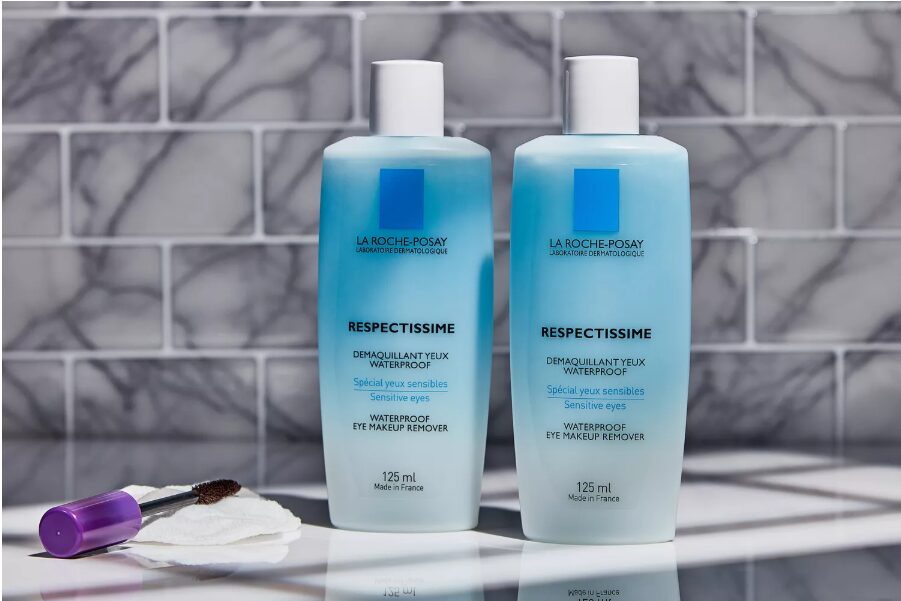
2. Biphasic (Water-Oil Layered) Eye and Lip Makeup Removers
Commonly consists of an upper oil layer and a lower water layer. Shake well before use to allow the oil and water phases to work together for cleansing and soothing.
- Suitable for: Daily to moderate levels of eye makeup, long-lasting eyeliner, and mascara.
- Advantages: Balances cleansing power and user experience; usually more refreshing than pure oil-based removers, yet still effective against stubborn makeup.
- Note: If the formula contains fragrance or alcohol, those with highly sensitive skin should be aware of potential itching.
3. Cleansing Balm/Cleansing Milk: A Gentle Choice That Melts on Fingertips
At room temperature, it has a balm or creamy texture that melts into an oil upon contact with the skin. Adding water will emulsify it into a milky white liquid.
- Suitable for: Users who appreciate a massage-like feel and a sense of ritual; those with moderate makeup and dry skin.
- Advantages: Smooth texture, suitable as the first step in makeup removal, combined with gentle massage around the eyes to reduce pulling.
- Required: Usually requires thorough wiping with warm water or a damp towel to avoid residue at the base of the eyelashes.
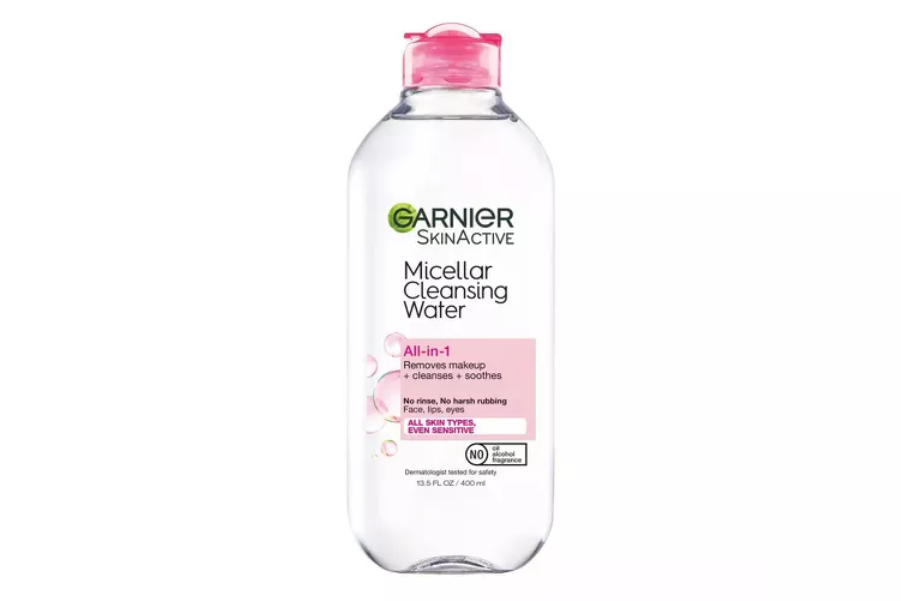
4. Eye-Focused Makeup Remover (Including Micellar Water)
Micelle water uses “micro-cleansing micelles” to capture oil and makeup, emphasizing no rinsing and a lightweight texture.
- Suitable for: Those with light eye makeup, those with oily skin who dislike heavy makeup, lazy people, or those who want quick makeup removal after commuting.
- Advantages: Refreshing and non-sticky, with mostly gentle formulas, suitable for sensitive eye areas and frequent daily use.
- Potential Issues: Repeated rubbing with cotton pads may still cause dryness and redness around the eyes due to mechanical irritation.
5. Pre-soaked Makeup Remover Pads
Disposable cotton pads or eye mask-style designs pre-soaked in makeup remover, emphasizing convenience and travel-friendliness.
- Suitable for: Quick makeup removal while out and about, at the gym, in changing rooms, or while traveling.
- Advantages: No need to carry extra cotton pads and bottled makeup remover, saving time and effort.
- Note: The fibers and friction of cotton pads should not be ignored. Insufficient application or rough handling will significantly increase the burden on the eye area.
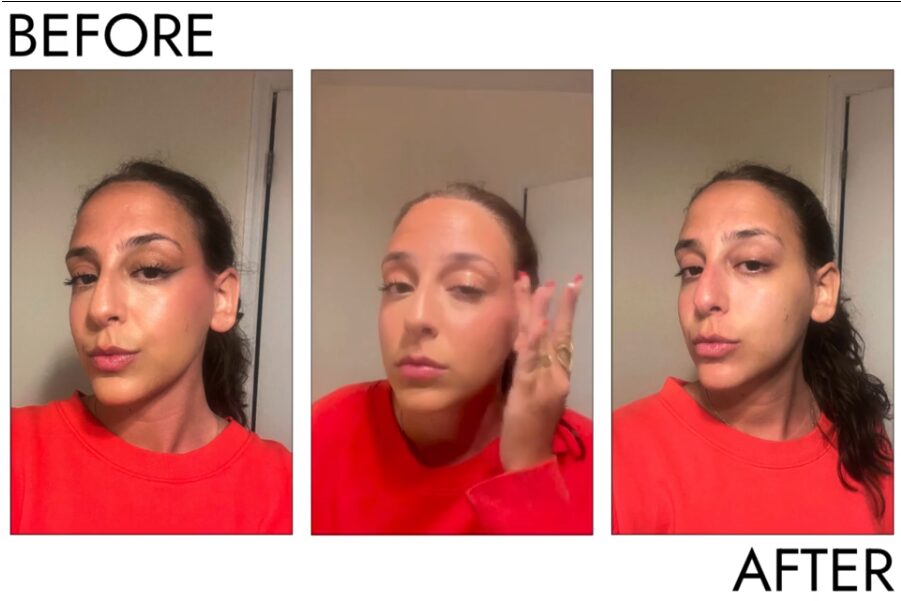
How to Choose Makeup Remover Based on Skin Type and Eye Makeup
Choosing by Skin Type
- Dry/Mature Skin: Prefer oily or creamy textures to replenish oils during makeup removal and reduce tightness.
- Oily skin/prone to milia: Choose a refreshing dual-phase water-oil or water-based makeup remover to avoid excessive oil residue clogging pores.
- Sensitive skin/Sensitive eye area: Prioritize formulas labeled “ophthalmologist tested,” “suitable for sensitive skin,” and “fragrance-free.” A patch test is recommended before use.
- Contact lens wearers: Prefer water-based or lightweight dual-phase formulas. Remove lenses before makeup removal to prevent oil buildup.
Choose according to eye makeup intensity
- Everyday light makeup (small amount of eyeshadow, non-waterproof mascara): Micellar water or gentle dual-phase makeup remover is sufficient.
- Heavy makeup and stage makeup (waterproof eyeliner, waterproof mascara, false eyelash glue): Primarily use oil-based or cleansing balm, followed by a second cleanse as needed.
- Glittery or metallic eyeshadow: Prioritize stronger oil-based or balm makeup removers to avoid fine particles remaining around the eyes and causing friction.
Correct Eye Makeup Removal Steps (Minimizing Pulling and Irritation)
Even the gentlest products can cause irritation around the eyes if applied roughly. A gentle yet effective process can be roughly arranged as follows:
- Soak Before Dissolving
Saturate a cotton pad with makeup remover until it’s slightly damp (not semi-dry), which helps reduce friction. - Let It Rest, Don’t Rub
Gently place the cotton pad on your closed eyelids and leave it for about 10-20 seconds to allow the formula time to blend and break down the eye makeup. - Wipe in the Direction of Eyelashes
Wipe slowly from top to bottom and from the inner corner of the eye outwards, avoiding pulling or tugging at the skin horizontally. - Second Treatment for the Roots of the Eyelashes
Dip a cotton swab in makeup remover and gently sweep it along the roots of the eyelashes to remove any remaining eyeliner and mascara clumps. - Repeat if necessary, but don’t blindly layer products
If makeup isn’t completely removed in one go, use a new cotton pad and repeat the process, instead of increasing pressure or rubbing.
- After finishing, gently wipe with water or a gentle cleanser.
Regardless of whether it’s labeled “no-rinse,” for those with sensitive skin, gently wiping with water or a gentle cleanser helps reduce the risk of residue.
Common Makeup Removal Misconceptions and Corrections
- Misconception 1: Using facial cleanser directly as eye makeup remover
Many cleansers are not strong enough to dissolve waterproof makeup, yet contain surfactants or fragrances that may irritate the eyes.
Recommendation: Always use a dedicated eye makeup remover or cleansing oil/balm for waterproof and long-lasting eye makeup, and separate it from your cleansing routine.
- Misconception 2: Vigorous rubbing means “clean”
Rubbing only provides temporary “removal,” but may leave hidden damage to the stratum corneum and eyelash roots.
Recommendation: Rely on the formula’s dissolving power rather than brute force; extend the application time and reduce the intensity of your movements.
- Myth 3: Long-term use of wet wipes or dry tissues for “emergency makeup removal”
Most wet wipes lack sufficient oil-dissolving ability but have a stronger mechanical abrasive effect.
Recommendation: Only use them briefly when absolutely necessary. Afterwards, thoroughly cleanse your face with a proper makeup remover.
When to Change Your Makeup Remover
Occasional mild itching shouldn’t be ignored, especially when it becomes more frequent.
- After removing eye makeup, you often experience tightness, stinging, or noticeable redness.
- You recently switched to a different type of mascara or eyeliner, and your previously gentle makeup remover suddenly becomes less effective.
- The ingredient list shows high levels of alcohol, fragrance, and pigments, and your eye area is already highly sensitive.
In this case, you need to re-evaluate your makeup remover formula. Prioritize products labeled as fragrance-free, sensitive-friendly, and ophthalmology-tested. Perform a 24-hour patch test behind your ear or along your jawline.
Make Your Eye Makeup Look Graceful
A complete eye makeup look doesn’t end with a final touch of highlighter, but with a gentle and thorough makeup removal. Choosing a makeup remover suitable for your skin type and the desired makeup look, along with patient and gentle application, will allow you to enjoy dazzling eye makeup while preserving the long-term health of your eyelashes and the skin around your eyes.
