
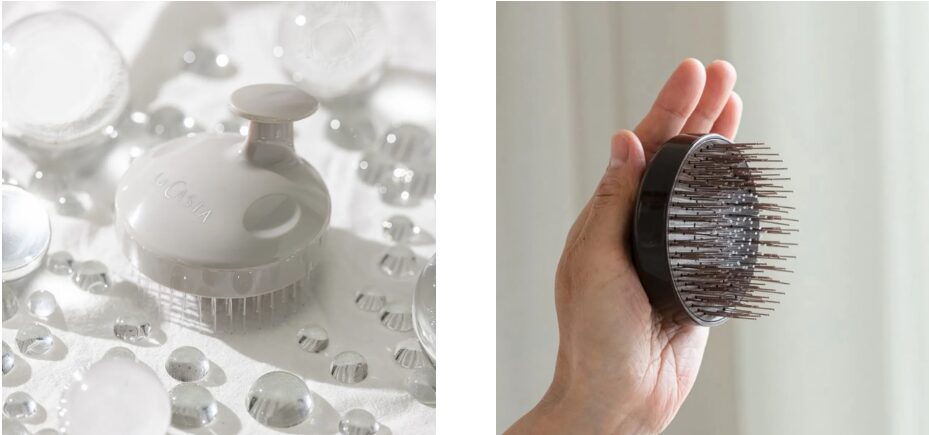
The Japanese approach to hair care combines meticulousness with scientific methods, resulting in unique shampooing habits and hair care secrets. These secrets not only focus on scalp health but also on hair texture, maintaining smoothness and shine. The Japanese shampooing philosophy is a combination of care and patience, making each step a ritualistic hair care experience.
Preparation Before Shampooing
- Combing Hair: Before shampooing, gently comb your hair, especially at knots, to reduce pulling and breakage during washing. Japanese women prefer natural wooden combs, such as cypress or peach wood, which help reduce static electricity and provide a scalp massage effect.
- Pre-rinse: Rinse your scalp and hair with warm water for about 2 minutes to thoroughly remove dirt and excess oil, helping to reduce the burden on your hair during shampooing and making it easier for the shampoo to lather and clean gently.
Proper Shampooing Technique
- Lathering
Shampoo must be lathered into a rich lather before evenly applying it to the hair. Avoid applying it directly to the hair, as this can cause friction and damage. The lather gently removes dirt and protects the hair strands. Massaging the scalp for 3 minutes promotes blood circulation and helps nourish healthy hair roots.
- Scalp Massage

Use your fingertips to gently massage the scalp, avoiding scratches with your nails. This relaxes the scalp and activates microcirculation, promoting a healthy environment for hair growth.
- Rinsing Method
It is recommended to rinse the scalp and hair against the direction of hair growth, tilting your head forward and starting to wash from the nape of your neck. This ensures that the shampoo is thoroughly rinsed out, reducing scalp problems caused by residue.
Post-Shampoo Care and Maintenance
- Conditioner and Hair Mask
Using hair care products after shampooing is crucial. Conditioner should be applied concentratedly to the ends and damaged areas, avoiding the scalp, to reduce oiliness and provide moisture to the hair surface. Hair masks provide deep repair, leaving the hair on for approximately 15 minutes to allow the hair to absorb nutrients, improving frizz and dryness, and enhancing hair smoothness.
- Natural Combing
When hair is dry, use a wooden comb to comb from the ends, avoiding breakage and pulling. This also helps distribute scalp oils evenly across the hair strands, reducing static and frizz.
- Avoid Incorrect Practices
When shampooing, avoid vigorous rubbing of the hair and using excessively hot water, as this can accelerate hair breakage. Insufficient shampooing and rinsing time can leave dirt residue on the scalp, leading to oiliness and hair loss.
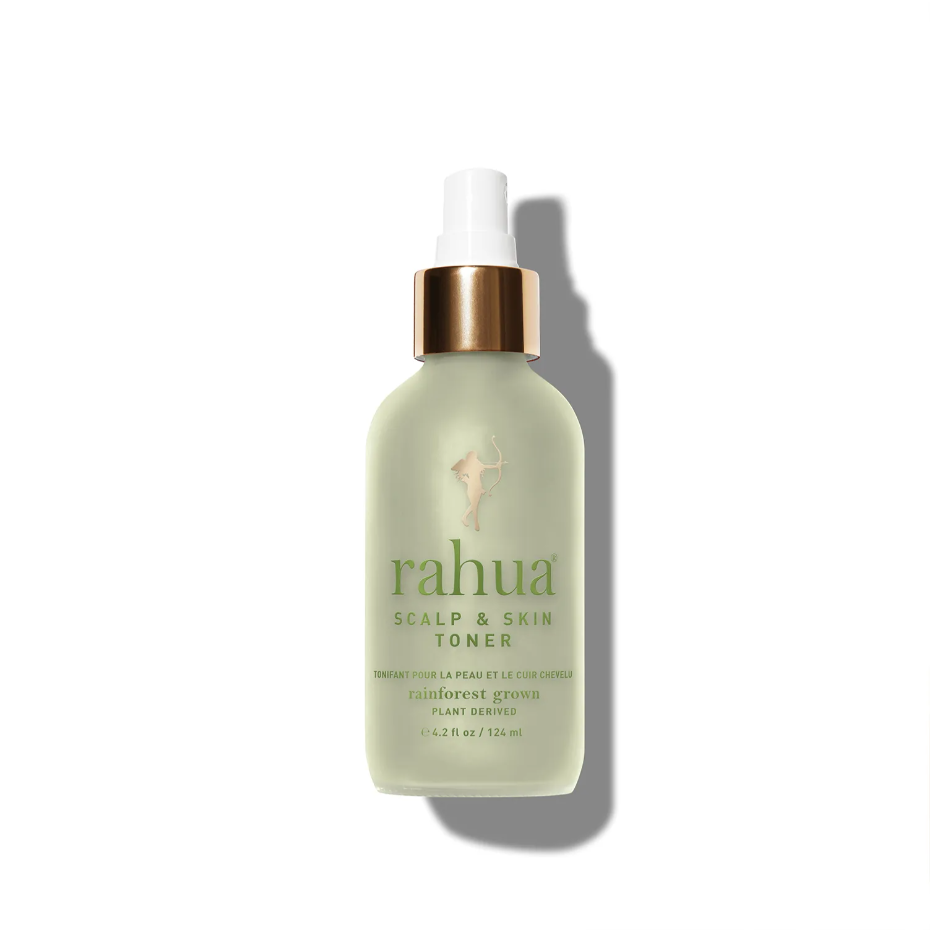
Special Japanese Hair Care Techniques
- Reverse Hair Care Method
Use conditioner before shampooing to allow nutrients to penetrate deeply, mitigating damage from dyeing and perming, and resulting in smoother hair than with traditional methods.
- Combing Ritual
Japanese women soak their wooden combs in hair oil for a “combing ritual.” The combs become naturally moisturized during combing, adding shine to the hair and preventing tug-of-war.
Daily Hair Care Habits Suggestions
- Regular Scalp Massage
Combing your hair morning and night promotes scalp blood circulation and supports healthy hair.
- Properly Controlled Hair Drying Temperature
Use a lower temperature when blow-drying to reduce heat damage and dryness/chapped hair.
- Use Soft Water
Japanese water is relatively soft, which helps reduce dryness and static electricity. It is recommended to install a water softener or water filter at home.
The secret to Japanese hair care lies not in expensive equipment or miraculous products, but in paying attention to every detail of daily life. From pre-shampoo preparation to shampooing techniques and post-conditioning combing, every step reflects a patient and caring attitude towards hair. This philosophy of balancing science and aesthetics leaves hair vibrant, radiating a serene shine and health. Only through consistent practice can you achieve enviable smooth hair in your daily life.
