
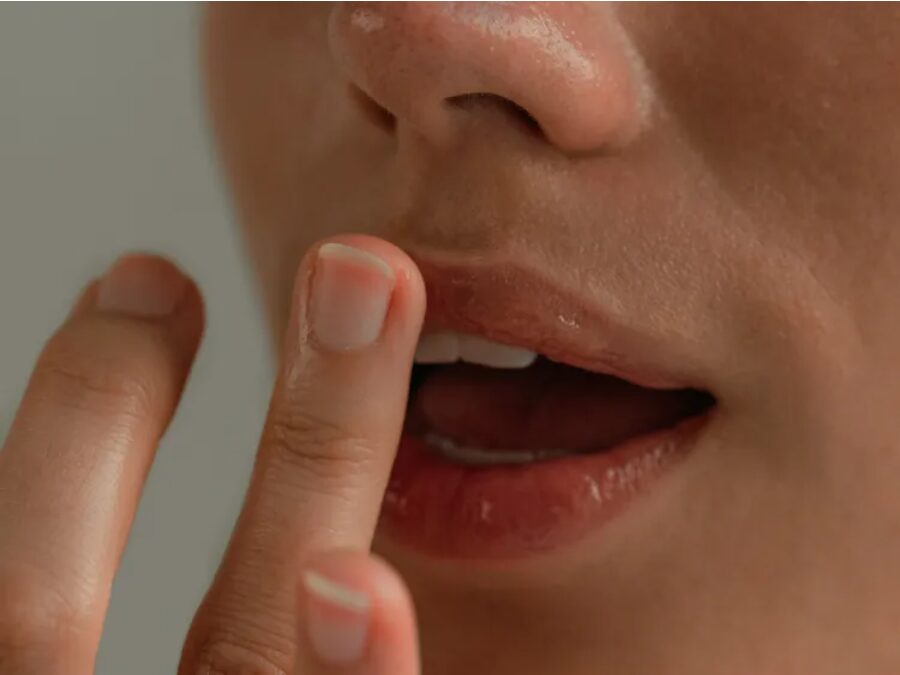
Vaseline and Aquaphor both rely on petroleum jelly to shield skin, but their formulations lead to distinct roles in daily routines. This breakdown highlights differences, strengths, and best uses from dermatologist perspectives.
Ingredient Breakdowns
Vaseline consists of pure 100% petrolatum, forming a thick, airtight seal that locks in moisture without additives.
Aquaphor blends 41% petrolatum with mineral oil, ceresin wax, lanolin alcohol, glycerin, panthenol, and bisabolol for humectant and soothing effects.
The simplicity of Vaseline suits minimalists, while Aquaphor’s extras provide deeper nourishment.
Protection Mechanisms
Vaseline excels as a full occlusive barrier, ideal for preventing water loss in extreme dryness or wounds.
Aquaphor acts semi-occlusive, allowing some oxygen flow while humectants like glycerin draw in hydration.
Both reduce transepidermal water loss, but Aquaphor’s lanolin and panthenol promote active repair.
Best Applications
| Use Case | Vaseline | Aquaphor |
| Dry/chapped lips | Preventive seal | Restorative moisture |
| Eczema/dry skin | Basic barrier | Soothing hydration |
| Minor wounds | Germ protection | Healing support |
| Tattoos/new piercings | Simple lock-in | Added calming |
Dermatologist Insights
Experts favor Vaseline for its hypoallergenic purity on intact skin or prevention.
Aquaphor wins for irritated, eczematous, or healing skin due to anti-inflammatory bisabolol and emollients.
Texture matters: Vaseline feels greasier; Aquaphor absorbs slightly better for daytime.
Potential Drawbacks
Allergies to lanolin sideline Aquaphor for some; Vaseline rarely causes reactions.
Neither treats infections—pair with antibiotics if needed—and overuse traps bacteria under seals.
Non-comedogenic for most, but test on acne-prone areas.
